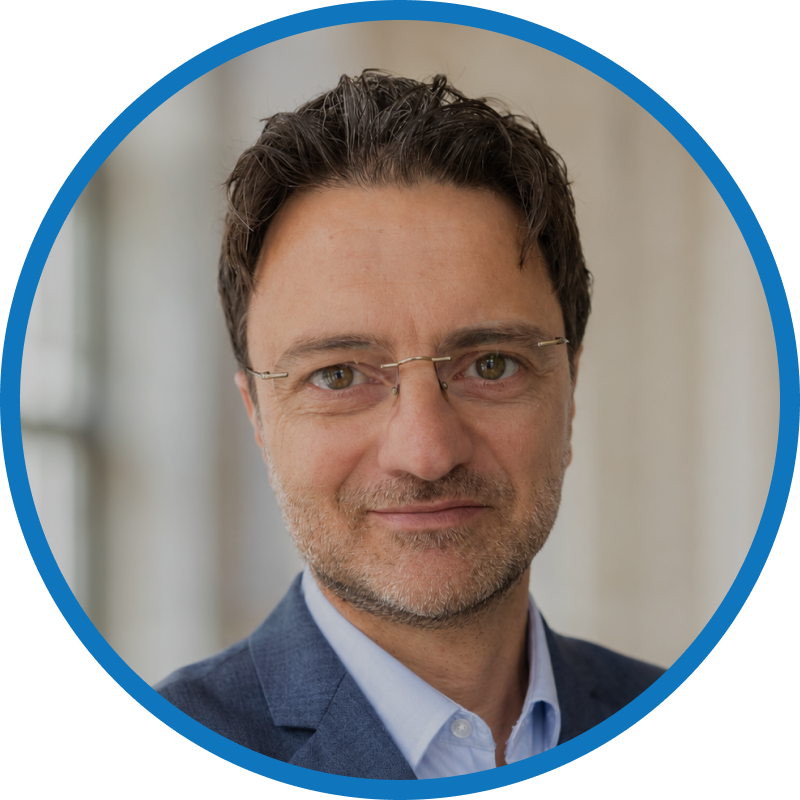
From Surface to Seafloor: Technologies for Ocean Observation and Mapping
Observing the ocean across its full three-dimensional extent requires the integration of multiple platforms, sensors and data-processing approaches. This lecture presents emerging technologies for mapping and monitoring marine environments from the surface, through the water column, to the seafloor. Examples will include autonomous profilers for high-resolution coastal monitoring, remotely operated vehicles for 3D reconstruction of benthic habitats, and unmanned surface vehicles equipped with LiDAR and advanced acoustic systems for detailed seabed mapping. The lecture will also explore the role of artificial intelligence and computer vision in ocean observation, including AI-based reconstruction and enhancement of satellite imagery to improve spatial and temporal coverage. The message is to that these technologies should not be seen as isolated tools, and the talk will focus on how complementary observations can be combined into an integrated view of marine systems. Focus will be given to the challenges of data quality, spatial resolution, autonomy and interoperability across platforms. The lecture will conclude by discussing how these new observing capabilities can support the development of the Digital Twin of the Ocean, providing more dynamic, data-rich and operational representations of marine environments for research, monitoring and sustainable ocean management.